Preparing this pagePreparing page content.
The full notebook ↓
Journal archive.
Every published note, essay, guide and build log in one place. Browse by topic, format, or search the whole archive.
20 articlesBrowse ↓
Clear filters ×19 articles
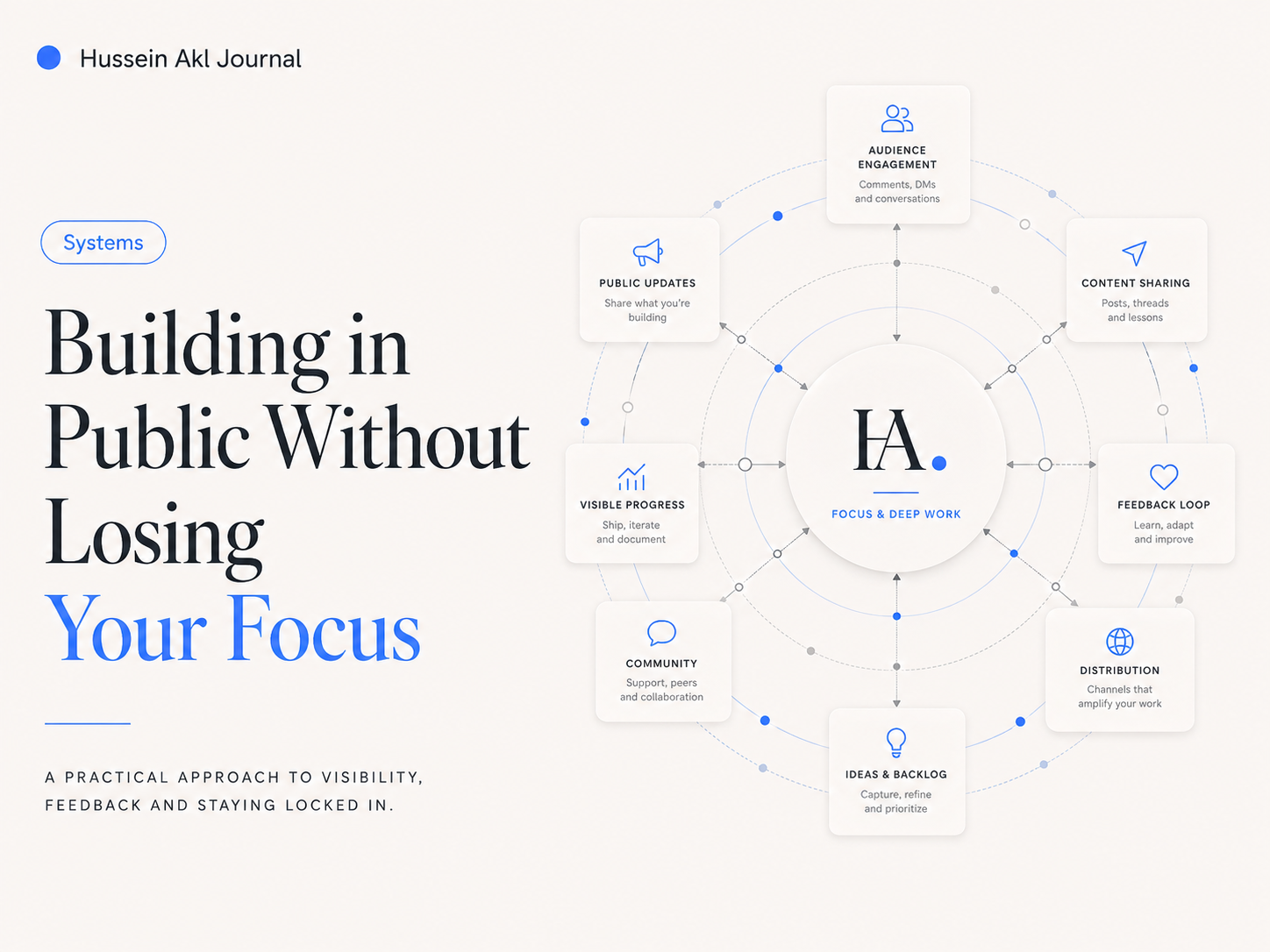
Building in Public Without Losing Your Focus
How I think about building in public without turning every project into content, every decision into an announcement, or every unfinished idea into a promise.
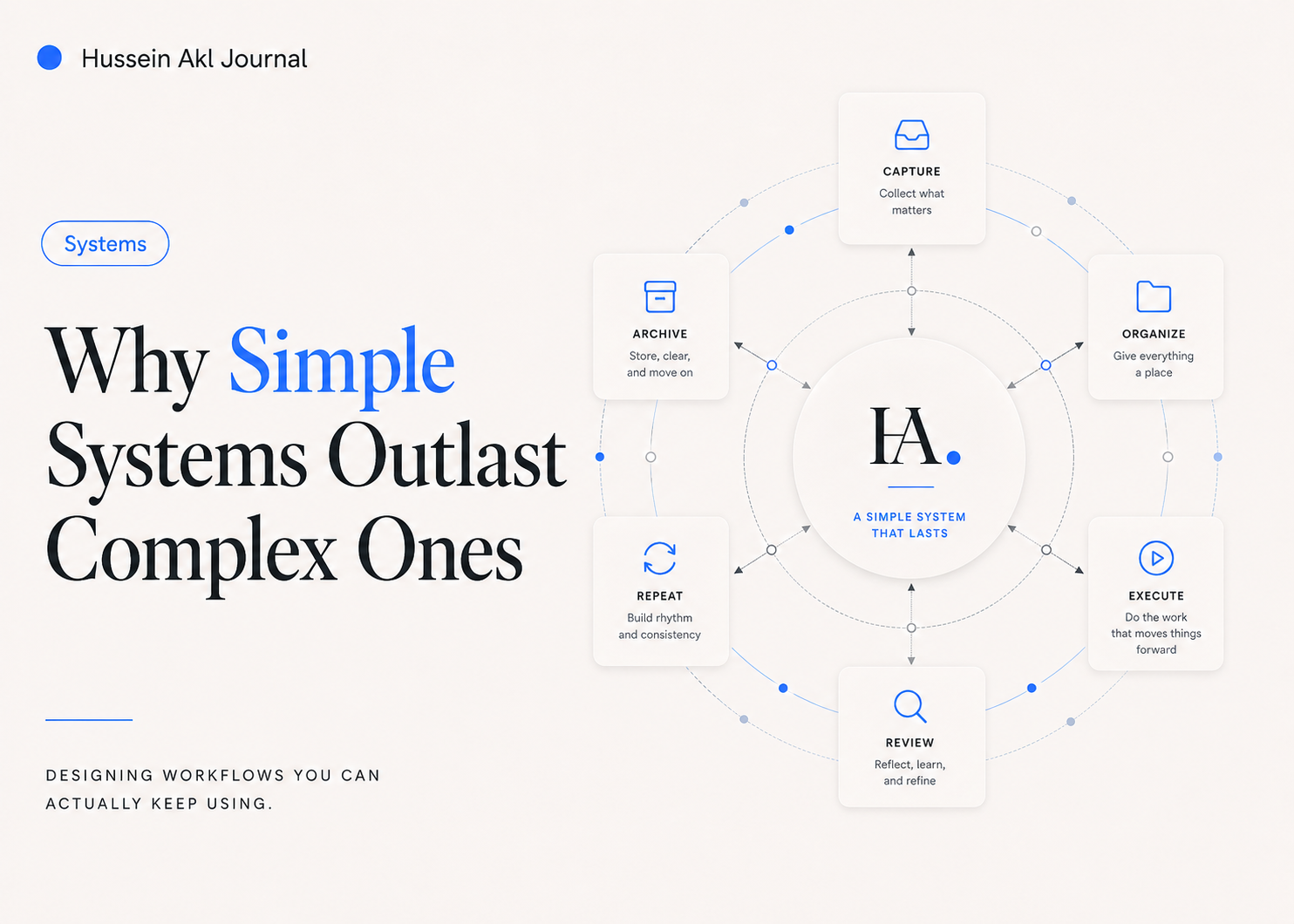
Why Simple Systems Outlast Complex Ones
Why simple workflows tend to survive real life better than elaborate productivity systems, and the principles I use to keep systems sustainable.
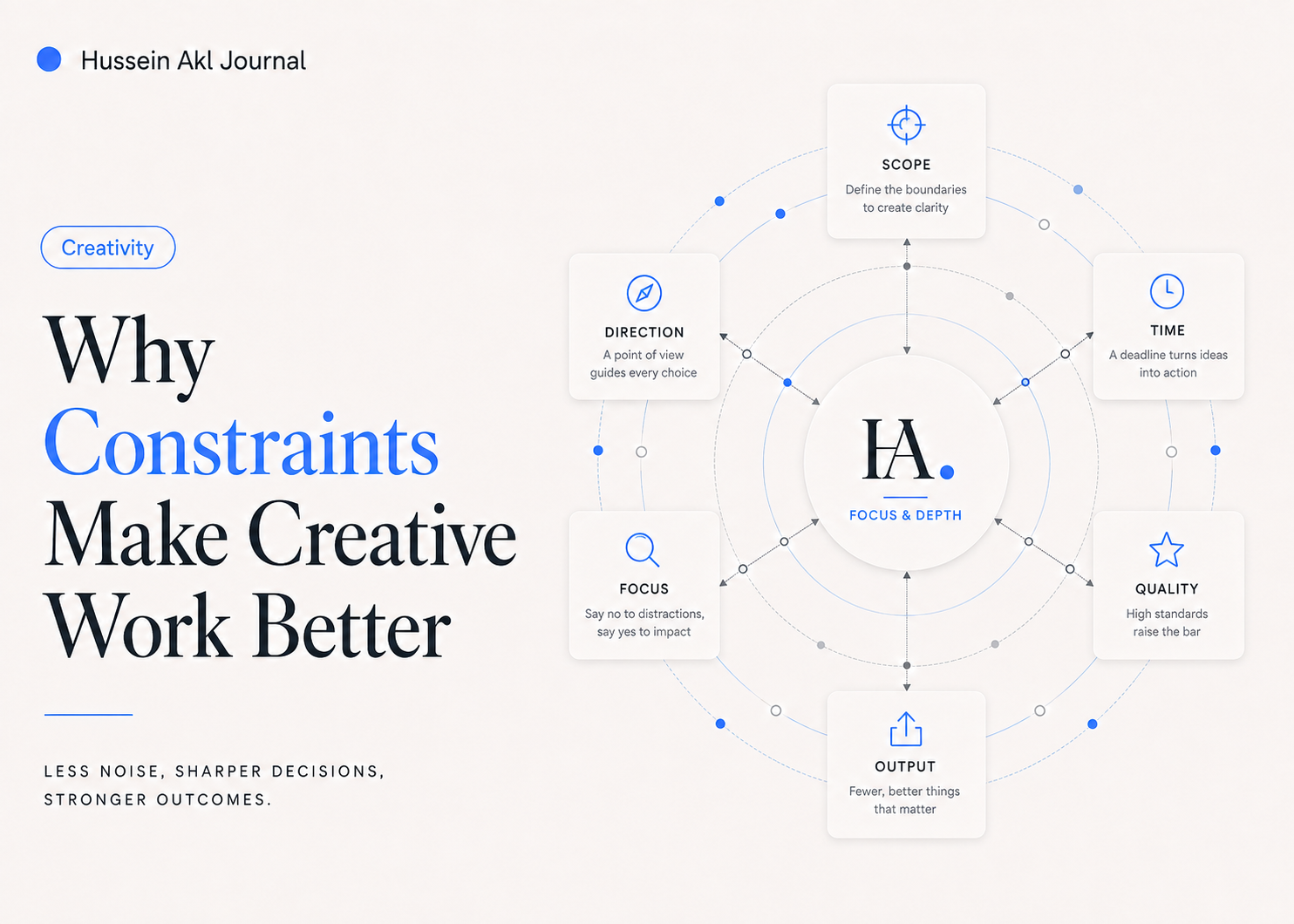
Why Constraints Make Creative Work Better
Why limitations in scope, time, format and strategy often produce stronger creative work than unlimited choice.
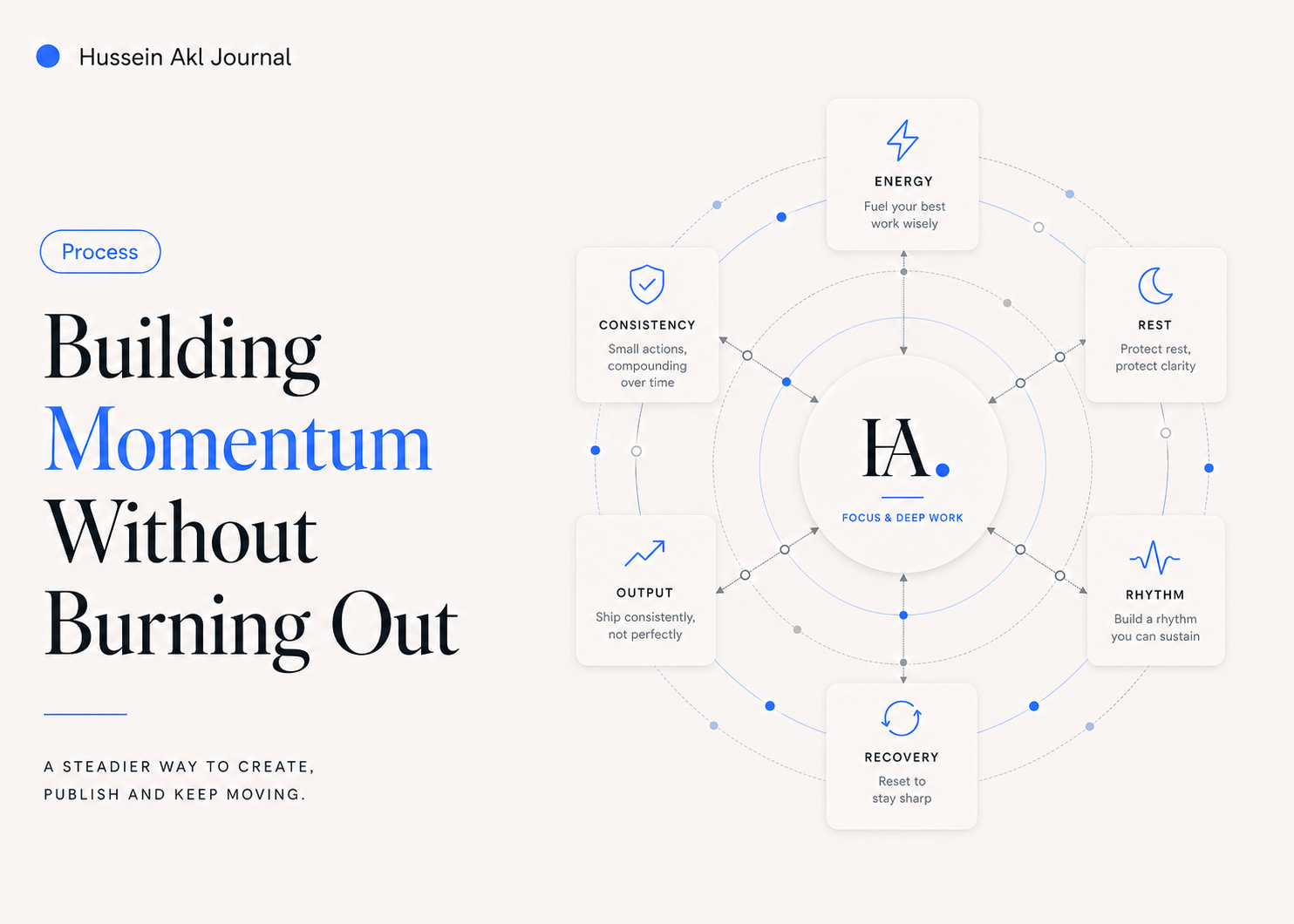
Building Momentum Without Burning Out
How I think about consistent output, energy, recovery and creating a pace that produces meaningful work without making every week a sprint.
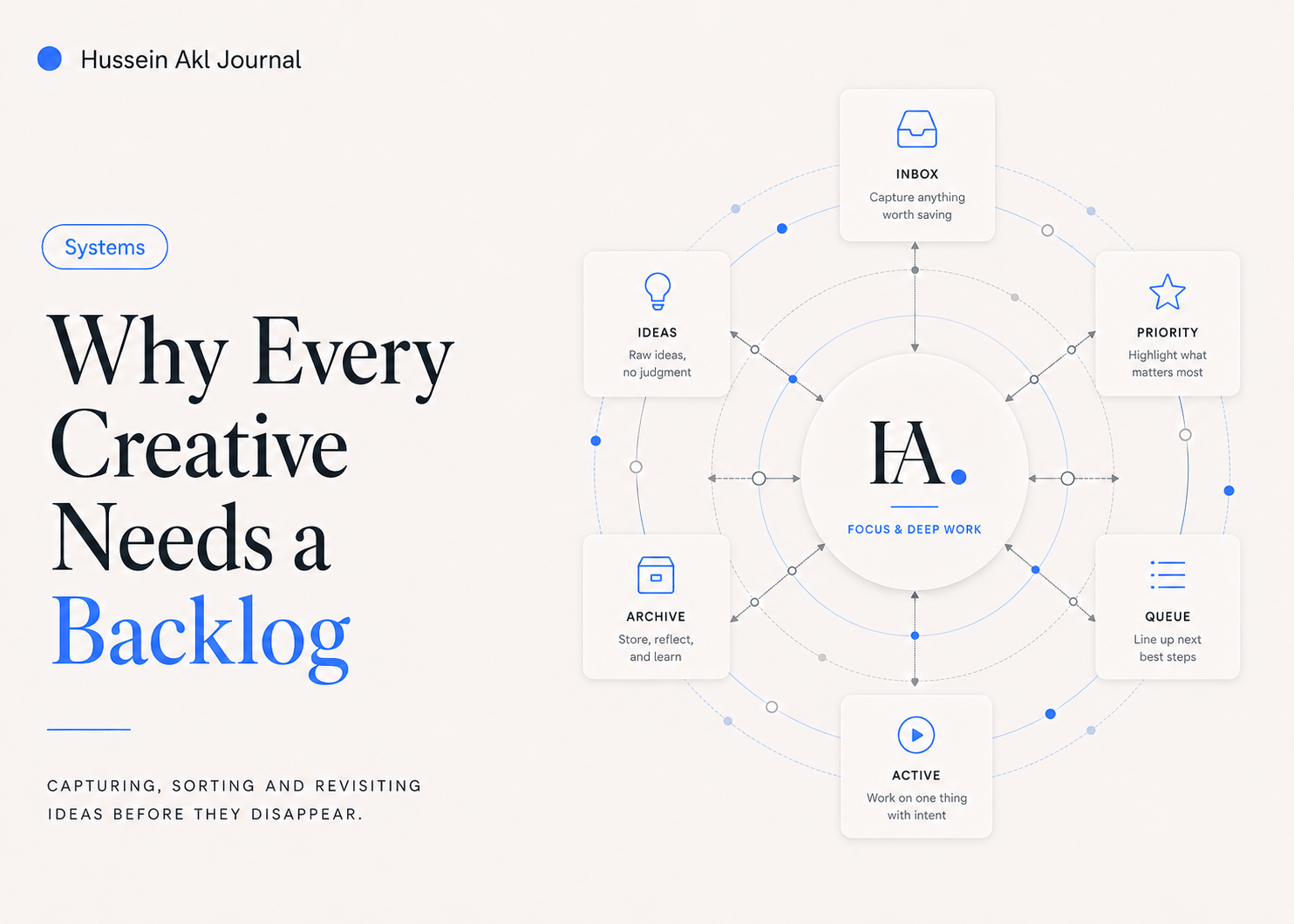
Why Every Creative Needs a Backlog
Why I separate ideas from active commitments, how a backlog protects focus and what makes a creative backlog useful instead of overwhelming.
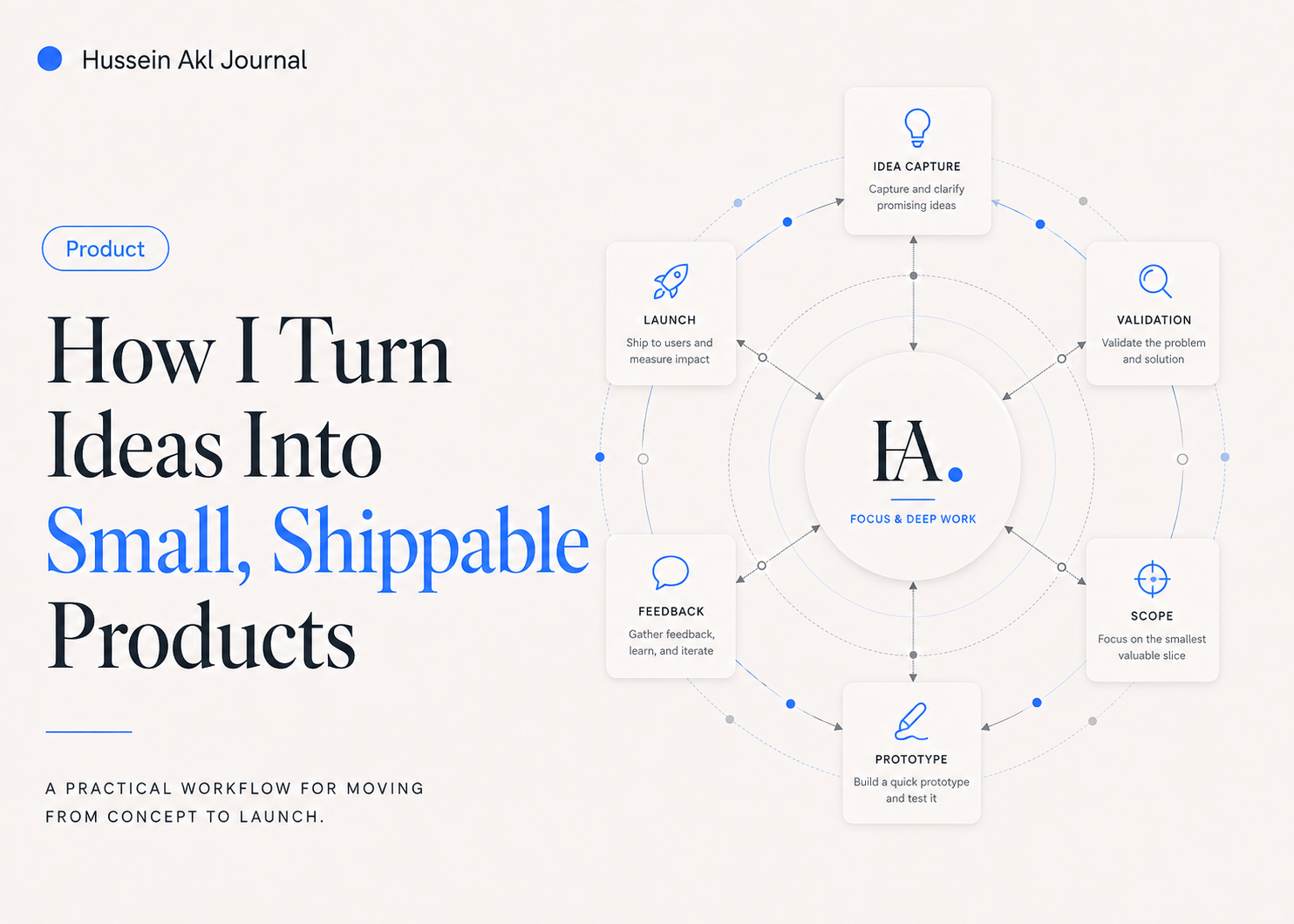
How I Turn Ideas Into Small, Shippable Projects
A practical workflow for shrinking ideas, identifying the core value, building a small first version and learning from something real.
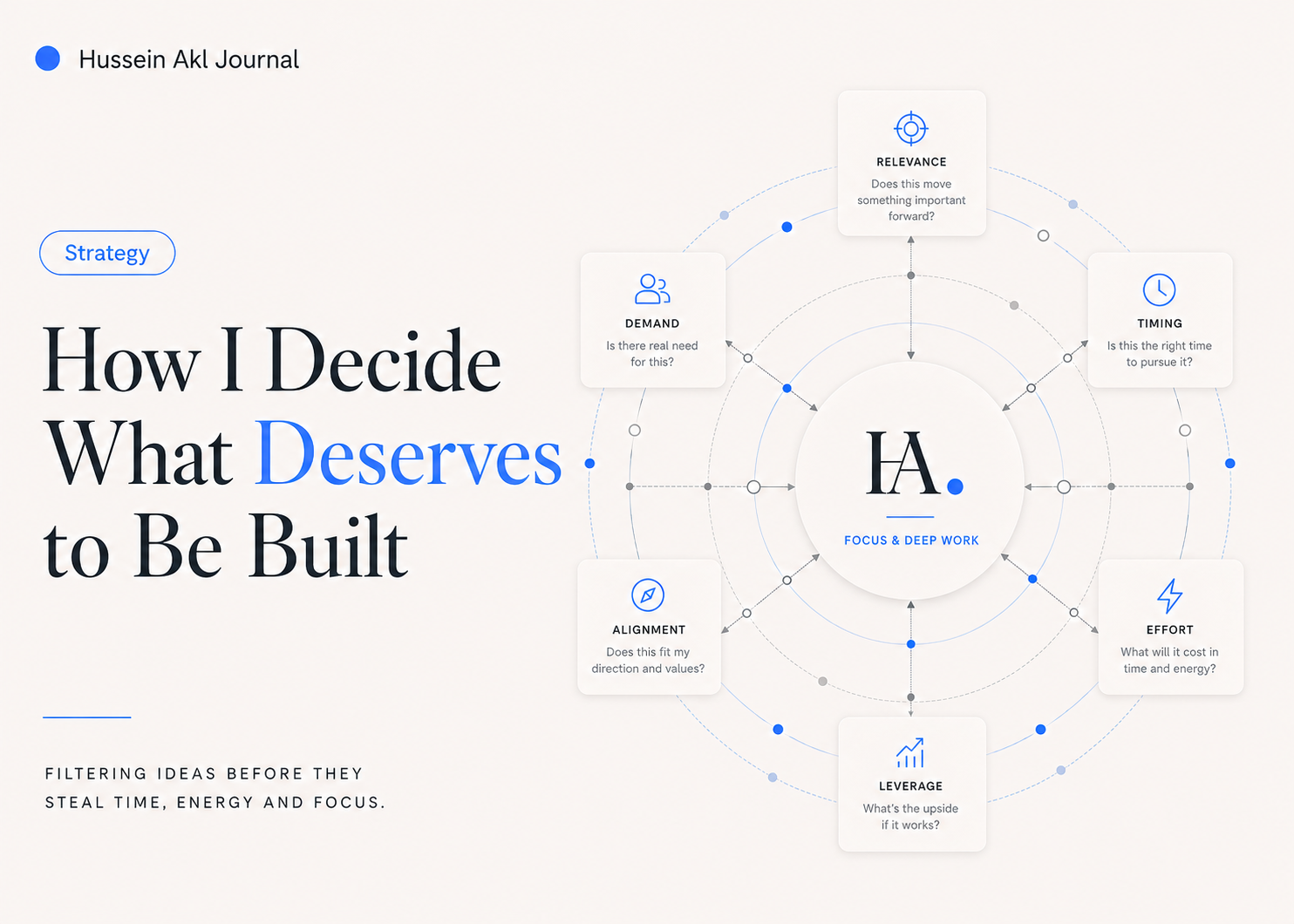
How I Decide What Deserves to Be Built
The strategic filter I use to decide which ideas deserve serious investment and which should stay in the backlog.
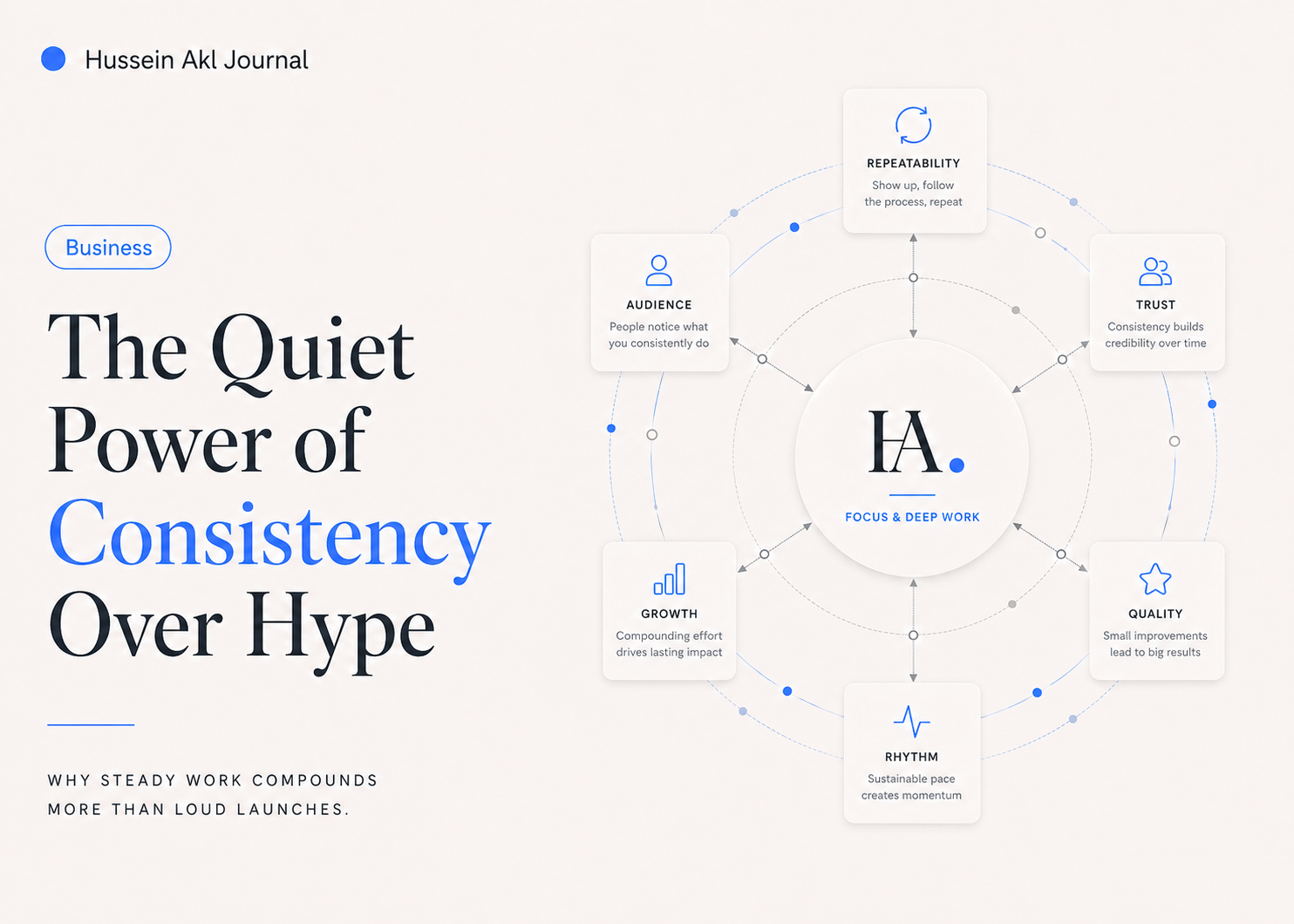
The Quiet Power of Consistency Over Hype
Why steady execution, repeatable quality and long-term trust often matter more than short bursts of attention.
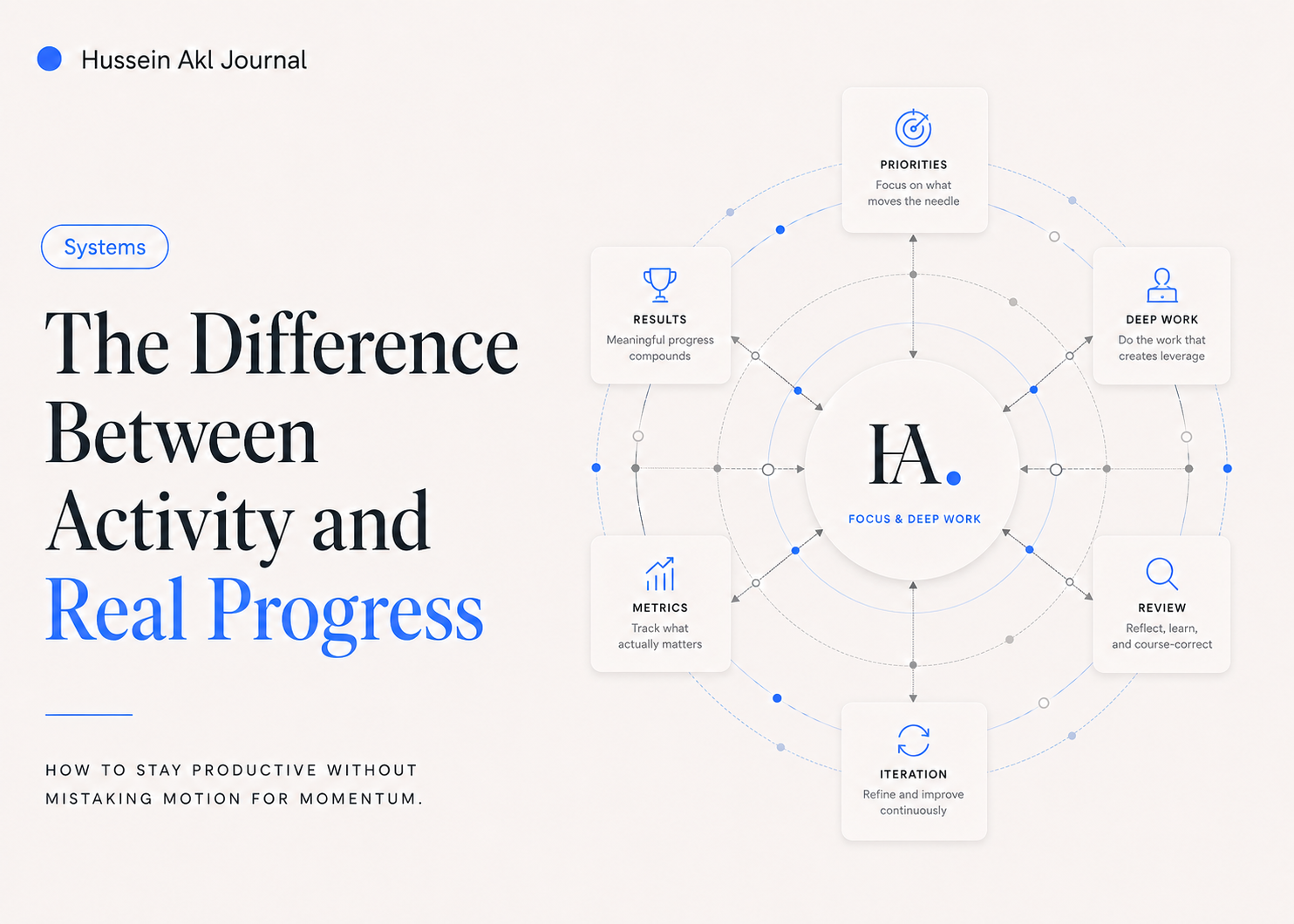
The Difference Between Activity and Real Progress
How I distinguish motion from momentum, choose meaningful outcomes and avoid using busyness as a substitute for progress.
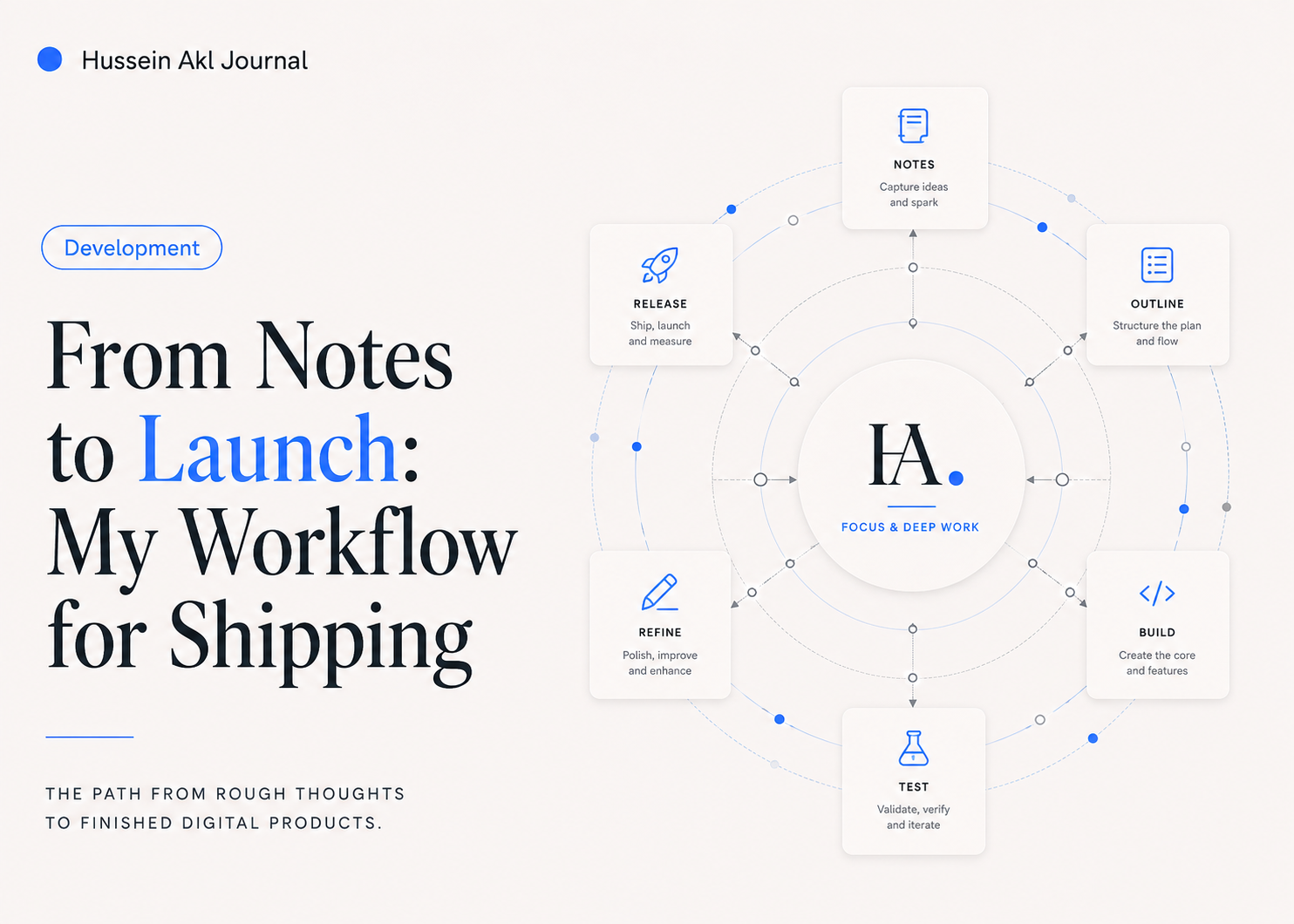
From Notes to Launch: My Workflow for Shipping
The workflow I use to move rough notes into a structured plan, working build, tested release and finished launch.
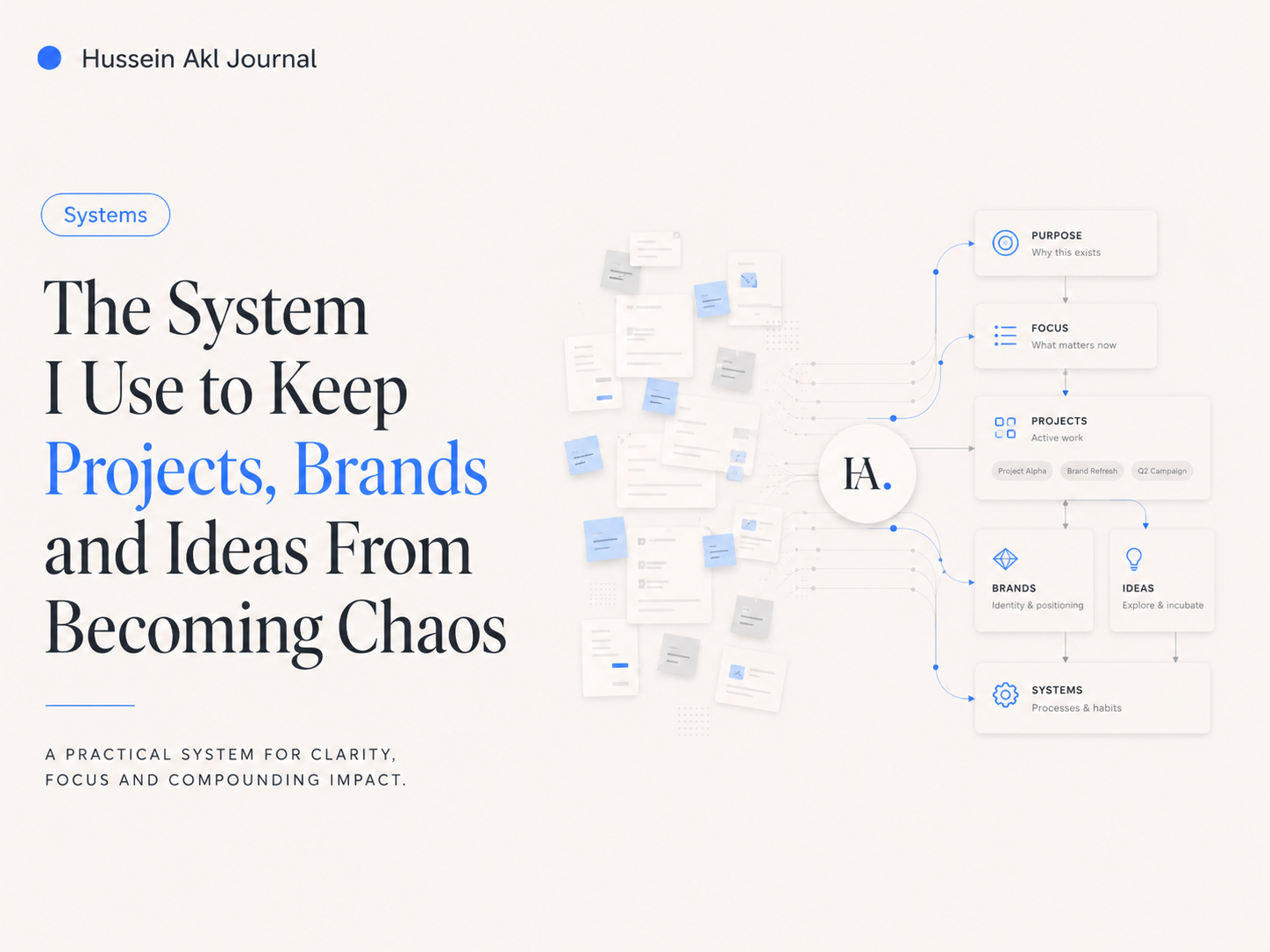
The System I Use to Keep Projects, Brands and Ideas From Becoming Chaos
A practical operating model for managing active projects, multiple brands, product ideas and future work without turning organization itself into another full-time project.
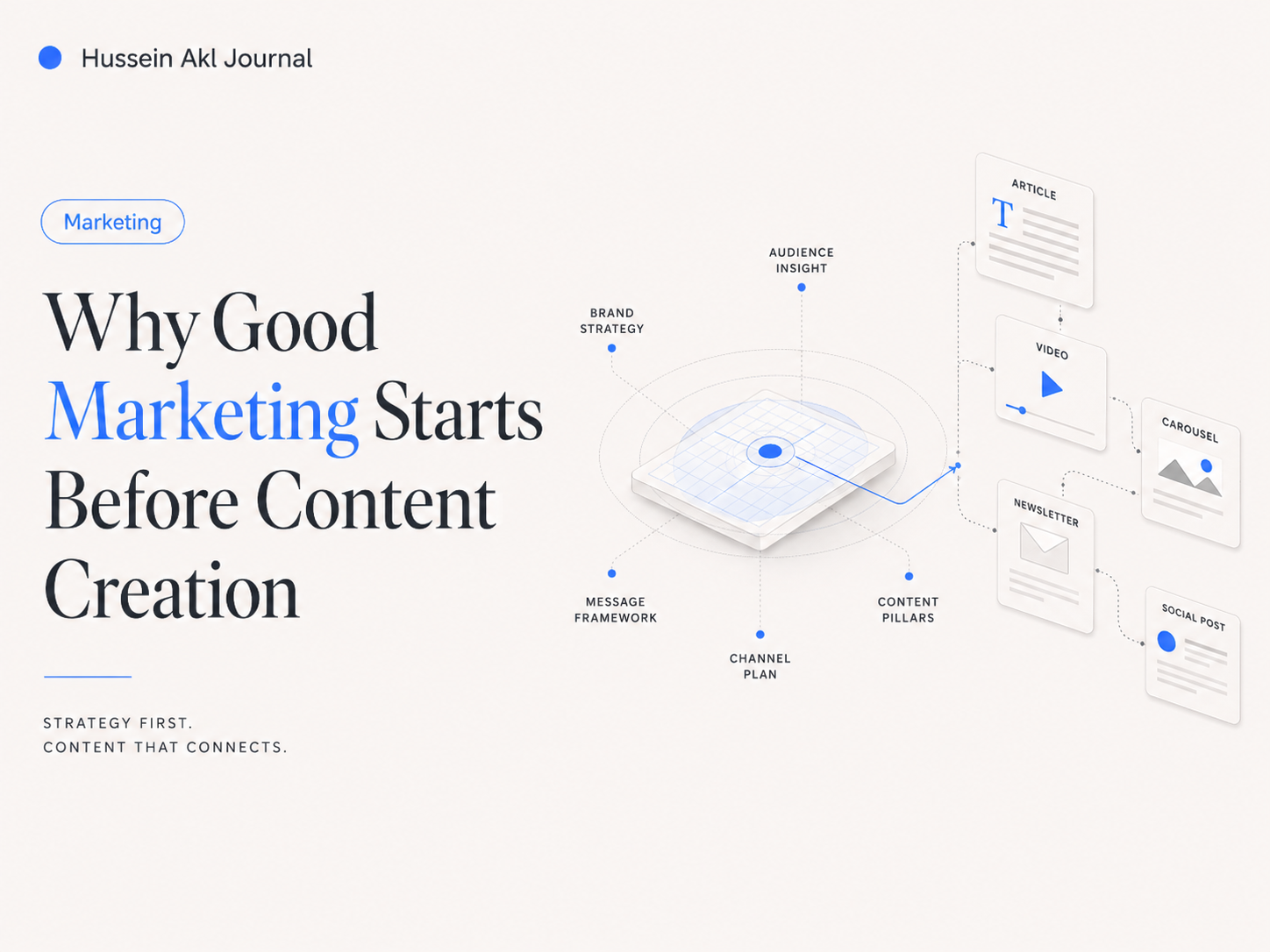
Why Good Marketing Starts Before Content Creation
Why publishing more is not the same as doing better marketing, and the strategic decisions that should happen before content calendars, captions and creative production.
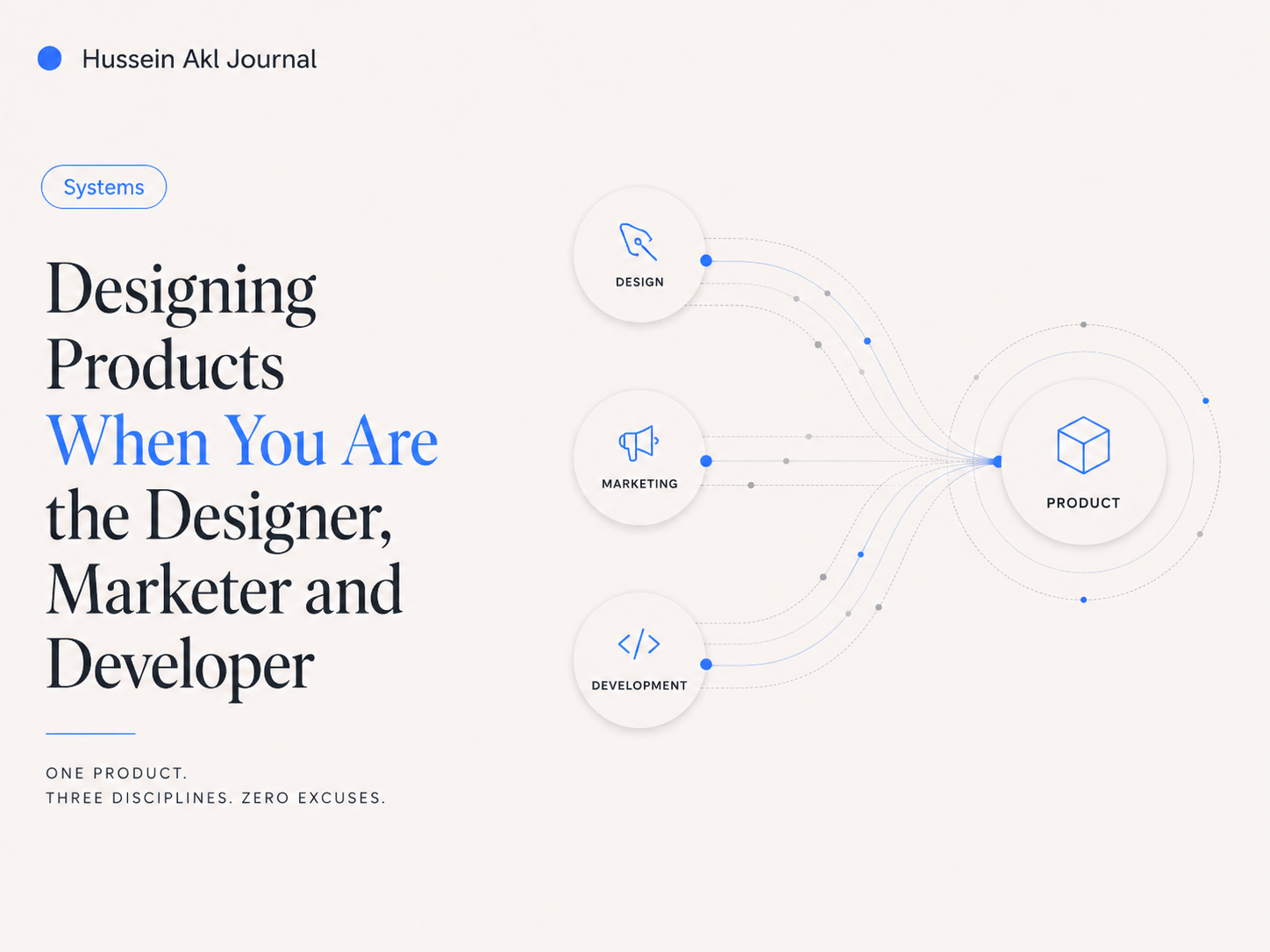
Designing Products When You Are the Designer, Marketer and Developer
What changes when one person handles product design, development and marketing—and the system I use to keep those disciplines working toward the same product.

What I Learned Building Small Browser Extensions Quickly
Lessons from building focused browser tools quickly: narrow the promise, design around one repeated action, respect permissions and treat polish as part of product quality.
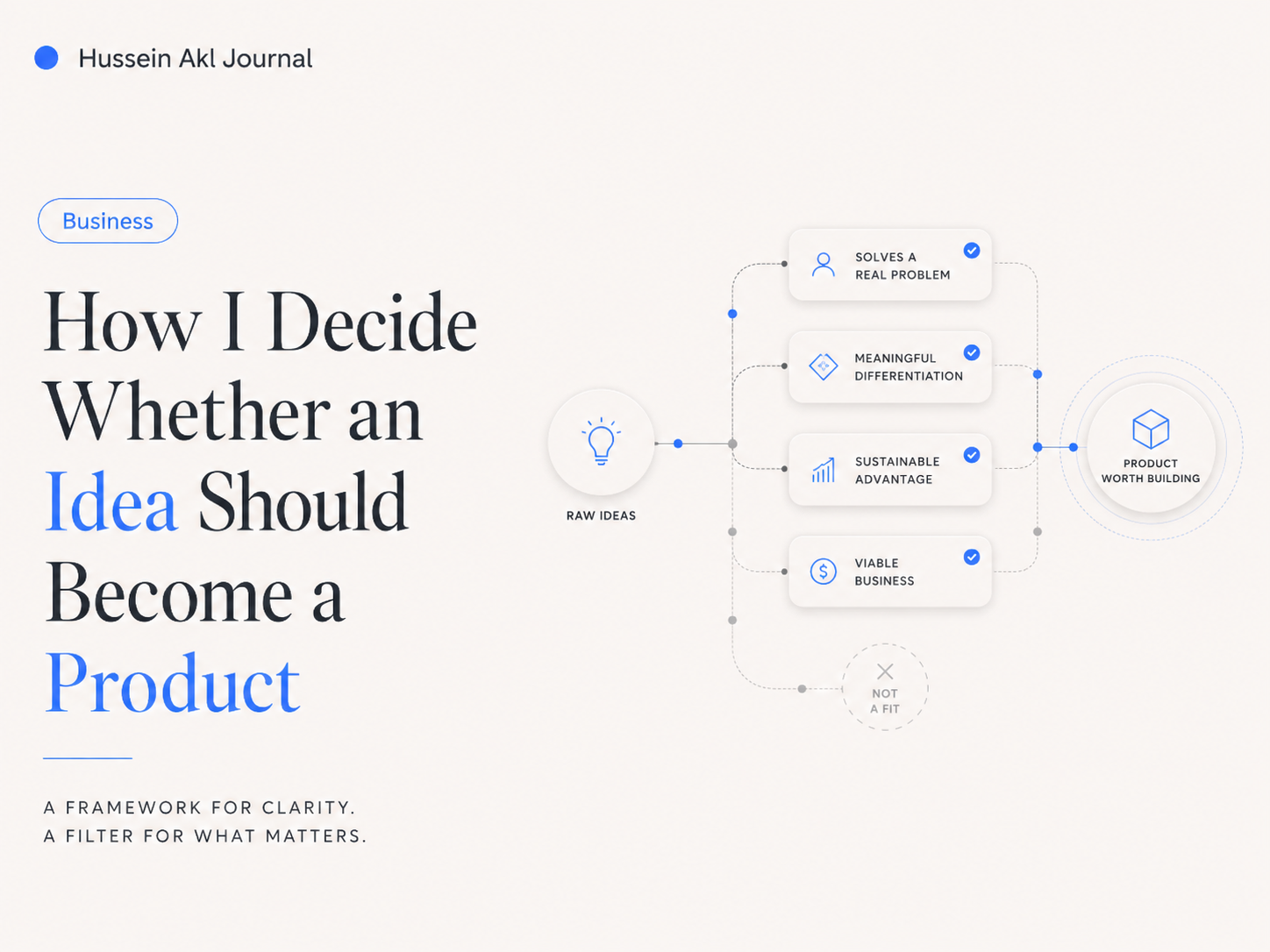
How I Decide Whether an Idea Should Become a Product
The filter I use before turning an idea into a product: real problem, repeated need, clear scope, sustainable maintenance and enough differentiation to justify building.
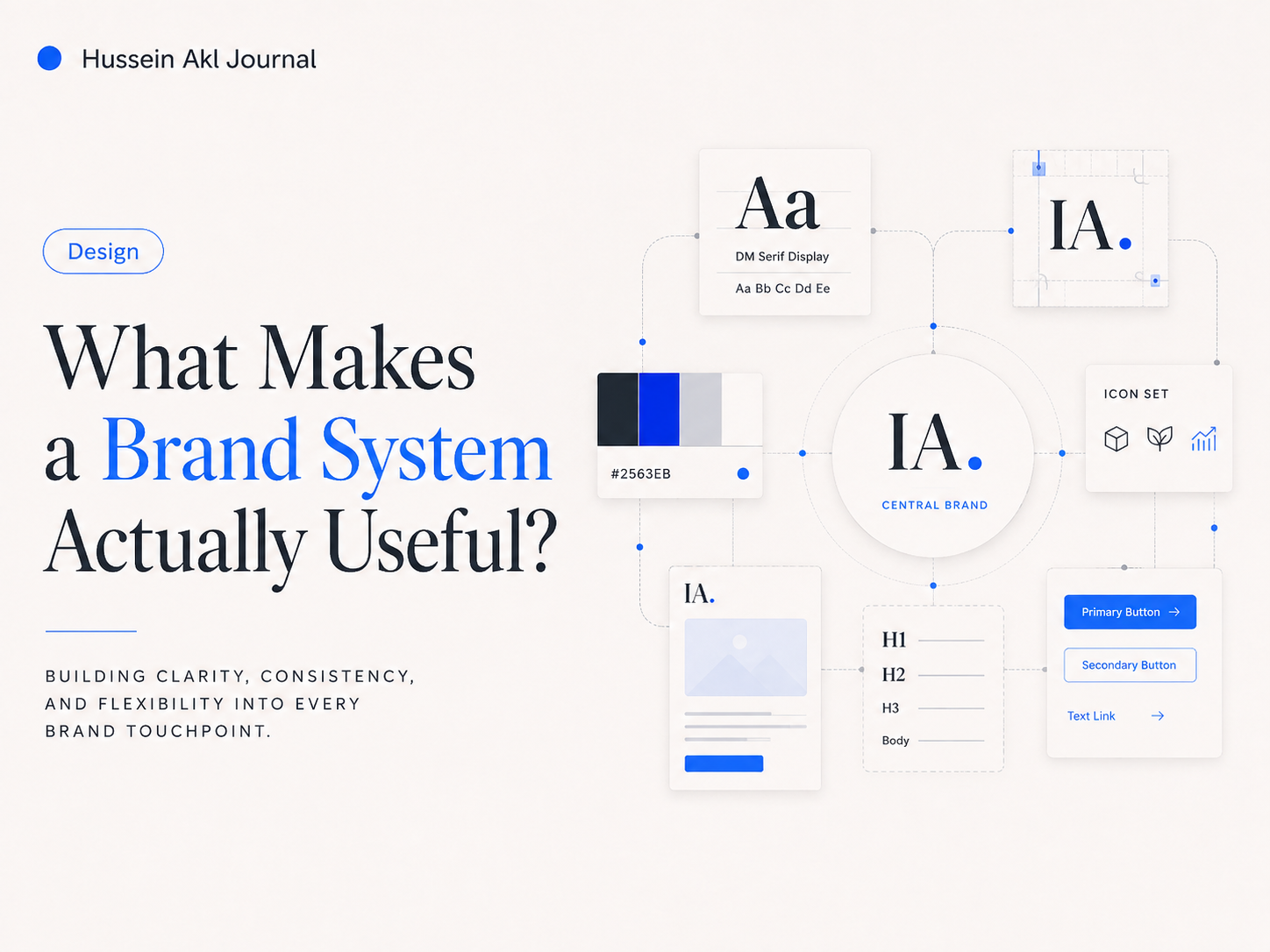
What Makes a Brand System Actually Useful?
A useful brand system goes beyond a polished presentation. It creates enough structure to protect recognition while leaving enough flexibility for real-world use.
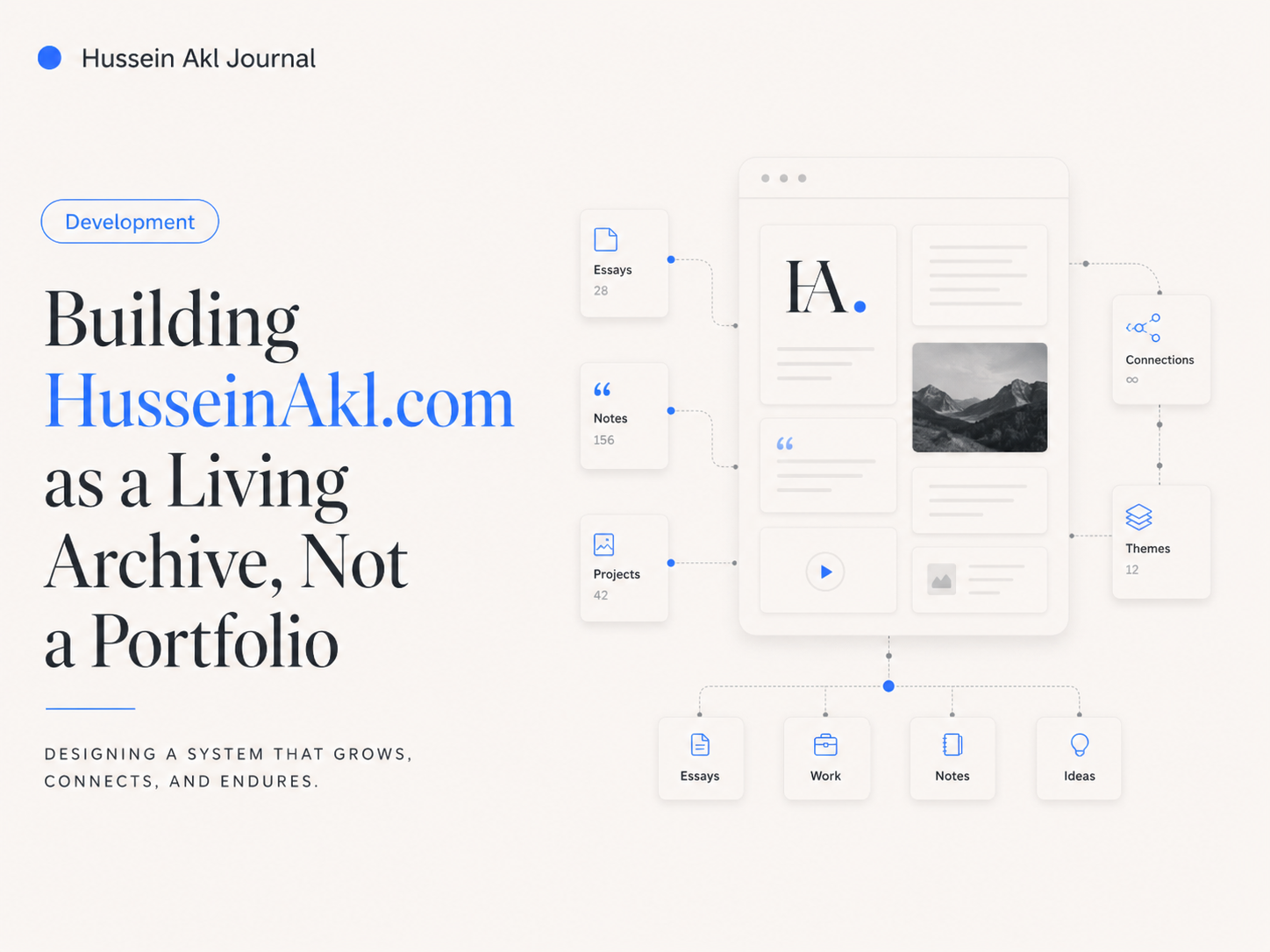
Building HusseinAkl.com as a Living Archive, Not a Portfolio
Why I rebuilt HusseinAkl.com as a connected archive for work, products, worlds, writing and ideas instead of treating it as a static portfolio.
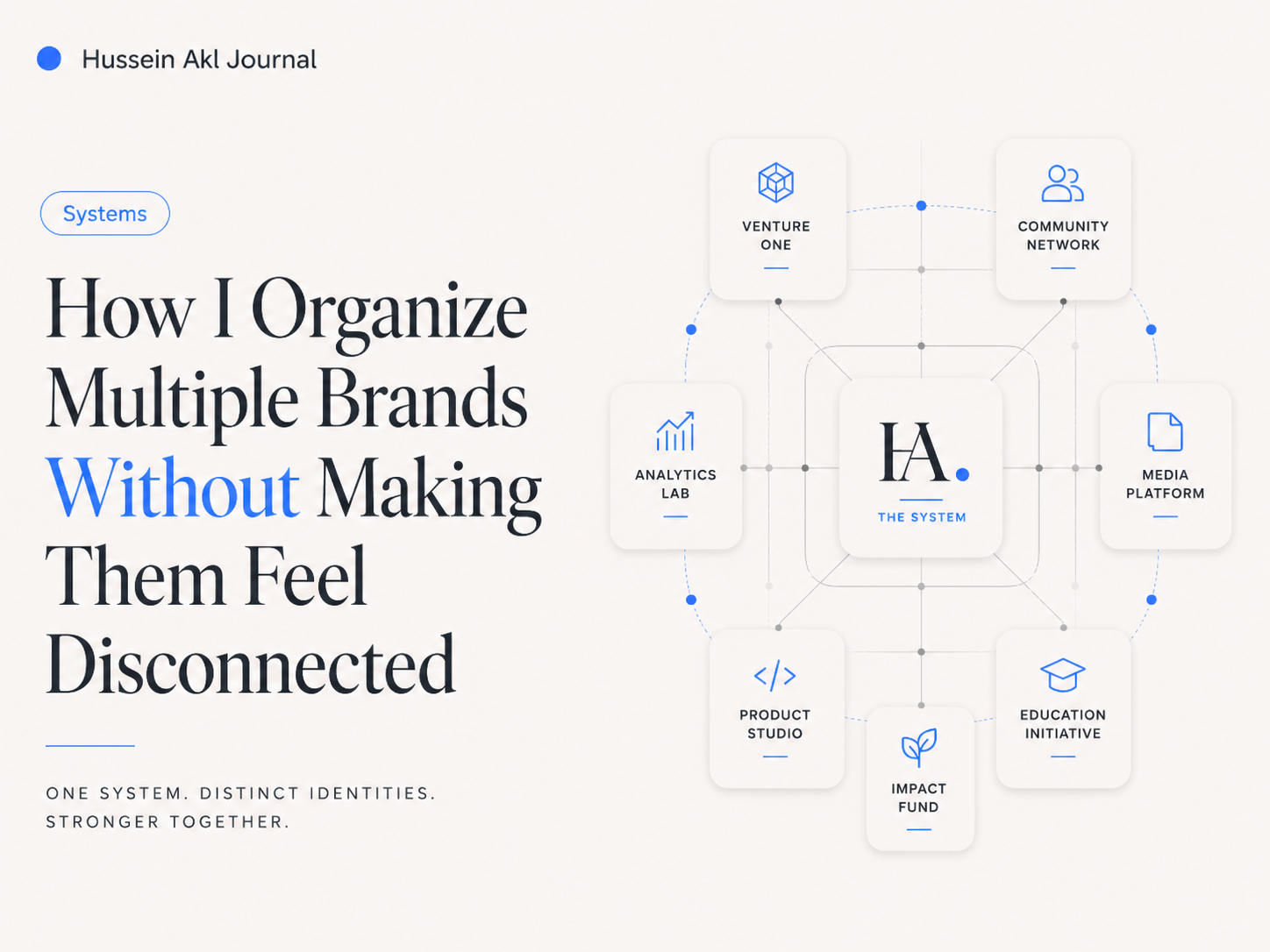
How I Organize Multiple Brands Without Making Them Feel Disconnected
A practical framework for managing multiple brands while keeping their roles clear, their identities distinct and their connection to a larger system visible.
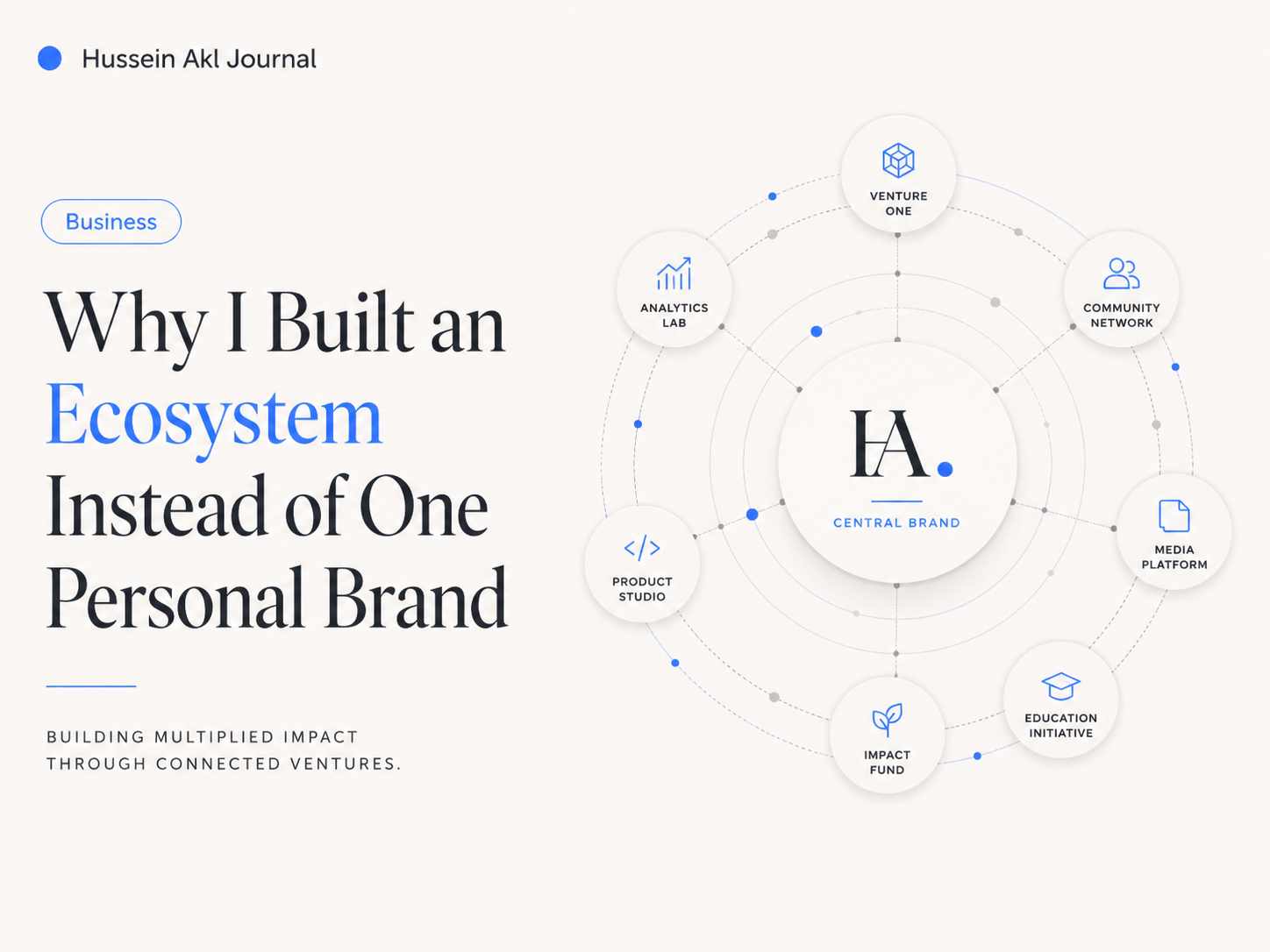
Why I Built an Ecosystem Instead of One Personal Brand
Why I chose an ecosystem model for my work: one personal identity at the center, with distinct brands, products and projects allowed to develop their own roles.